

Why Land Remediation Matters for Future Generations in NSW
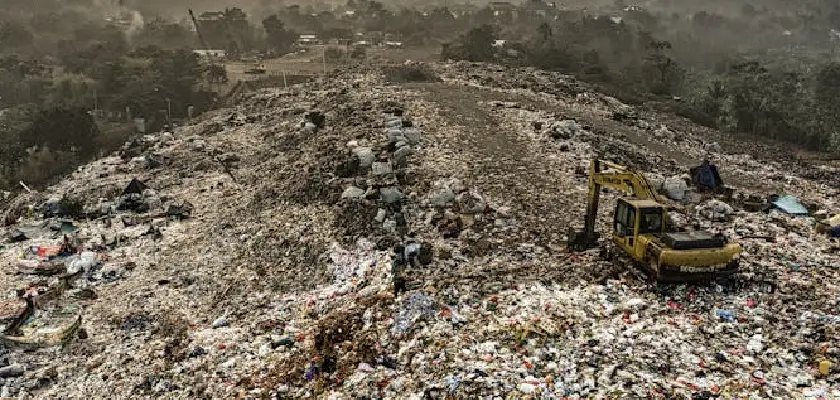
Have you ever thought about what happens when land is polluted by factories, chemicals, or waste? In many parts of New South Wales, places that were once used for heavy industry have become dangerous for both people and wildlife. Here’s where land remediation comes in. Land remediation is the process of cleaning up and recovering contaminated land so that it can be used safely again. It not only protects the environment, but it promotes healthier, more vibrant communities. For future generations, this process is critical in creating safer, greener and more sustainable places to live and grow.
- What is Land Remediation?
Land remediation is the process of removing or eliminating dangerous pollutants from the soil, water, or air in a specific location. This could include cleaning up poisonous chemicals, eliminating hazardous waste, or altering the land so it can be used again. The primary purpose is to ensure the land is safe for humans, plants and animals. Without this procedure, many areas of New South Wales would stay contaminated and unsuited for residential, educational or community use.
- Why is Land Remediation Needed in NSW?
NSW has a long history of industrial activity especially in areas like Rhodes Peninsula in Sydney. Factories in the past left behind dangerous contaminants such as heavy metals and dioxins. These substances, can cause serious health risks, harm local wildlife and stop the land from being reused. Cleaning up these regions not only removes hazards, but also makes way for new parks, housing, and safe community areas. This is why land remediation has become a significant part of New South Wales’ urban redevelopment.
- How does Land Remediation Help Communities?
When contaminated land is cleaned, it converts dangerous areas into places that people can enjoy. Consider transforming a polluted site into a park where families can rest, children can play and nature can thrive again. It promotes public health by eliminating hazardous substances from the environment. It also provides local communities with, safe housing and recreational areas making neighbourhoods, more appealing and liveable.
- What does Land Remediation Mean for the Future?
Land remediation involves more than merely solving today’s challenges. It is also an investment for the future. By repairing contaminated areas now, future generations will inherit safe, useable land. They will not be subjected to the same hazards or constraints that pollution previously posed. Instead, they will benefit from healthier ecosystems, greener areas, and more resilient communities.
- Can we learn from Rhodes Remediation?
The Rhodes Peninsula is a perfect example of how remediation can bring change. Once filled with contaminated industrial sites, it is now being redeveloped into a safe, community friendly environment. This demonstrates the impact of clean up programs and why they are worthwhile. It demonstrates that with the appropriate strategy we can transform hazardous land into a source of life and opportunity.
Wrapping up
Land remediation is more than just cleaning soil; it is about protecting health, supporting communities, and creating a better future. In New South Wales, projects such as those in Rhodes demonstrate how transforming contaminated soil can yield long term benefits. By reducing pollution and creating greener spaces, we provide safe conditions for the next generation to live, play, and grow in. Their work today will affect the planet they inherit tomorrow.